

The Bottleneck Is Not the Analysis
Formulation and development laboratories invest heavily in analytical capability. What they rarely measure is how long a result spends between being generated and being usable. In a paper-driven F&D lab, that interval - registration, worksheet, calculation, transcription, review, approval - routinely dwarfs the analysis itself.
The work is done. It just is not available yet. And because it is not available, project managers chase status by phone, formulators reconstruct trial history from folders, and QA prepares for audits by assembling evidence that should already have been assembled.
Four Constraints That Travel Together
Across F&D modernization projects, the same four constraints appear, and they reinforce each other.
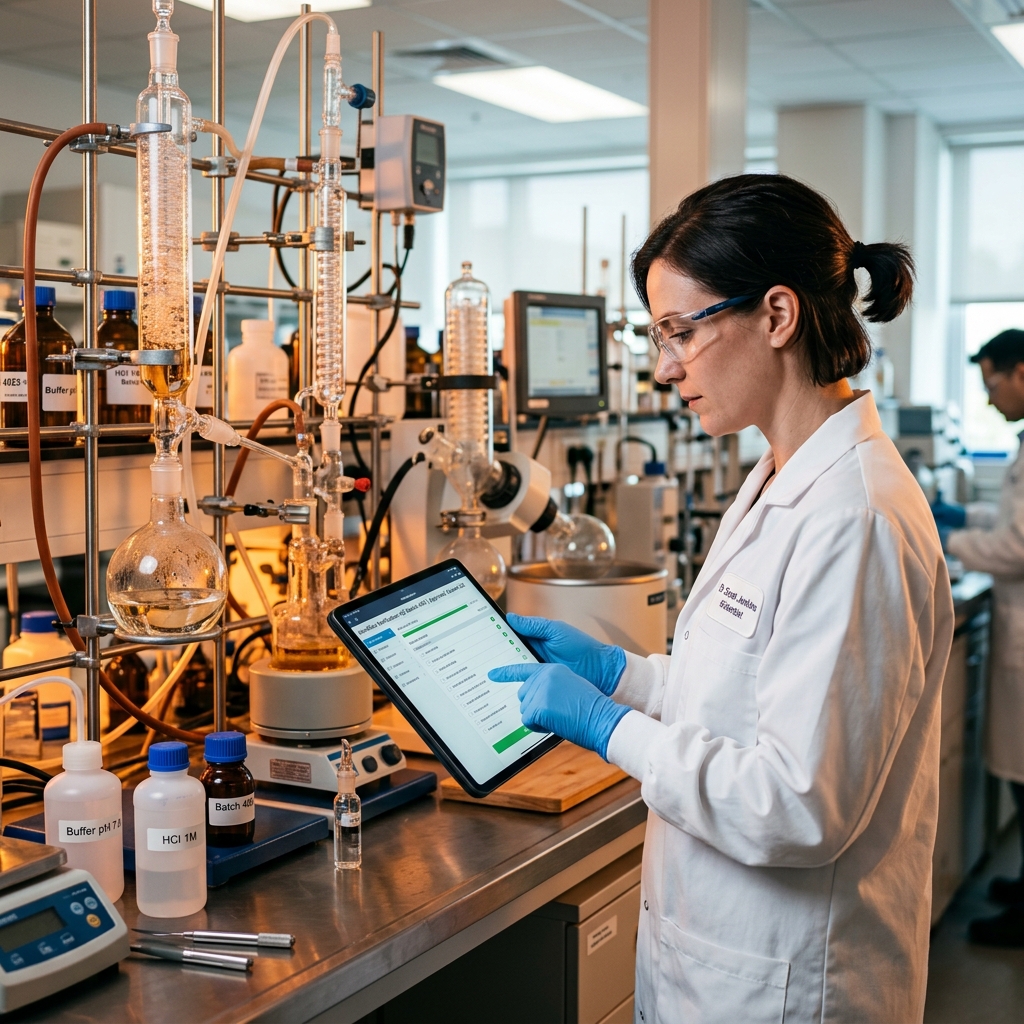
Manual operations. Sample registration, worksheets, calculations, and reporting sit on paper or in disconnected spreadsheets. Test assignment and approval slow down, and nobody has a clear view of workflow status or analyst workload.
Data integrity gaps. Manual transcription introduces errors. Historical results are hard to retrieve. Audit trails are too thin to fully satisfy 21 CFR Part 11 and ALCOA+ expectations, which turns audit preparation into a reactive exercise rather than a report you run.
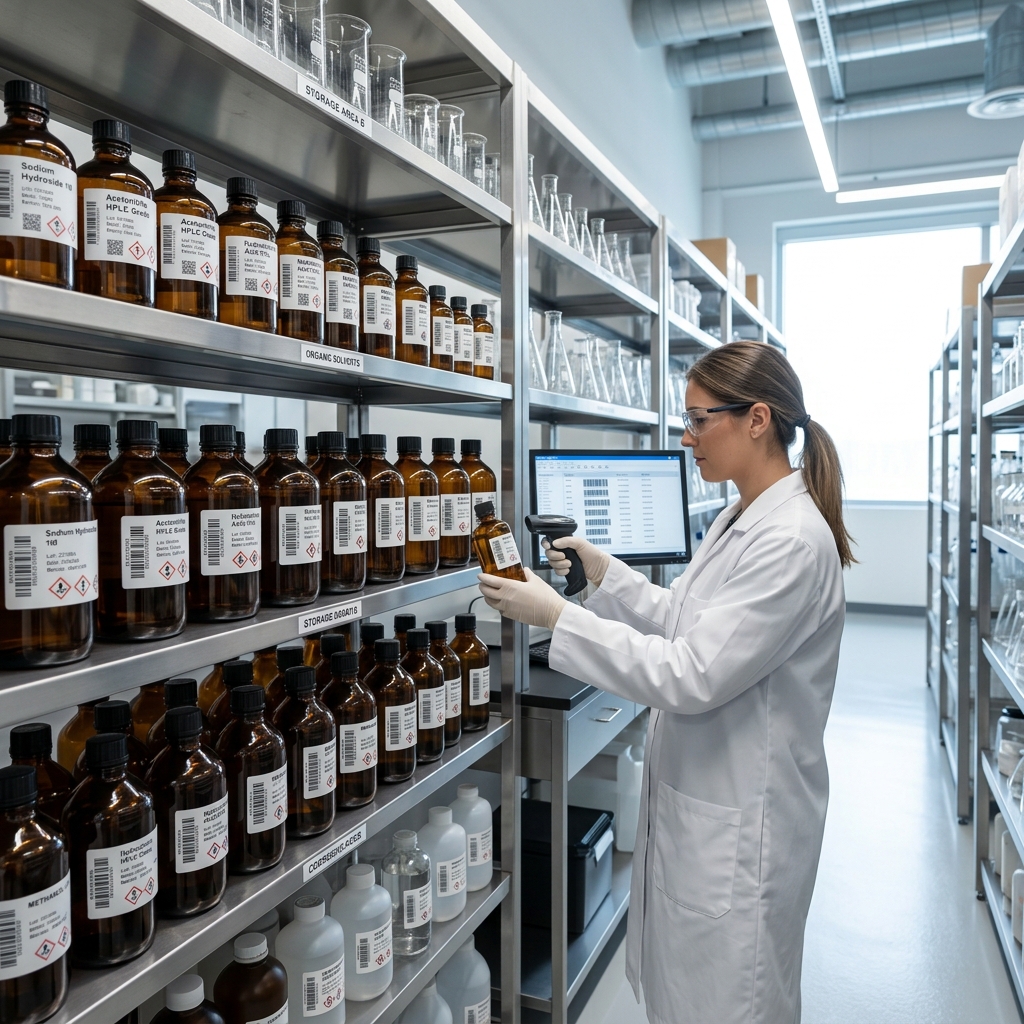
Operational blind spots. Missed calibration and maintenance schedules, inconsistent method and document version control, and loose inventory tracking of chemicals and reference standards inject rework into trials that were otherwise going fine.
Limited visibility. Without real-time project monitoring, R&D, QA, QC, and manufacturing hold different pictures of the same pipeline. Decisions wait for alignment meetings.
Individually, each is tolerable. Together they produce a laboratory working considerably harder than the science requires.
What an R&D-Configured LIMS Changes
A generic QC LIMS transplanted into an F&D environment tends to disappoint, because development work is project-shaped, not batch-shaped. The unit of interest is the trial and its lineage, not a release decision.
An R&D configuration reflects that. Sample management provides an electronic, traceable workflow from intake through disposition. Project management with Gantt views gives R&D leadership real-time sight of trial timelines, milestones, and workload instead of status assembled by follow-up. Trial summary and product formula modules centralize formulation data and trial history, so comparing this trial against the one run eleven months ago is a query rather than an excavation.
Structure Where the Data Is Densest
Two activities generate most of an F&D lab's data and most of its risk: stability studies and dissolution profiling. Both benefit from structure - protocols, pull schedules, and results capture handled by the system rather than by a diligent individual with a calendar reminder.
Group worksheets deserve specific mention. When each analyst maintains their own calculation sheet, results vary in format and occasionally in arithmetic. Standardizing calculation and reporting formats across analysts, with the ability to process multiple samples in one worksheet, removes a quiet and persistent source of error while cutting repetitive work.
Compliance as a Property of the Record
Role-based access, electronic signatures, and complete audit trails configured against 21 CFR Part 11 and ALCOA+ principles give the laboratory a defensible record from raw data through final report. The important shift is conceptual: compliance stops being an activity performed before an inspection and becomes a property of how the data was captured in the first place.
Direct integration with analytical instruments extends that property to the point of measurement. When results arrive from the instrument rather than from a keyboard, the weakest link in the chain is gone.
Connecting the Lab to Everything Around It
F&D output feeds technology transfer, regulatory submissions, and scale-up, which means it has to reach ERP, DMS, and ELN systems. Connecting those keeps formulation data, document control, and enterprise records aligned with laboratory activity as it happens, instead of reconciled afterward by whoever notices the discrepancy first.
The Measurable Outcome
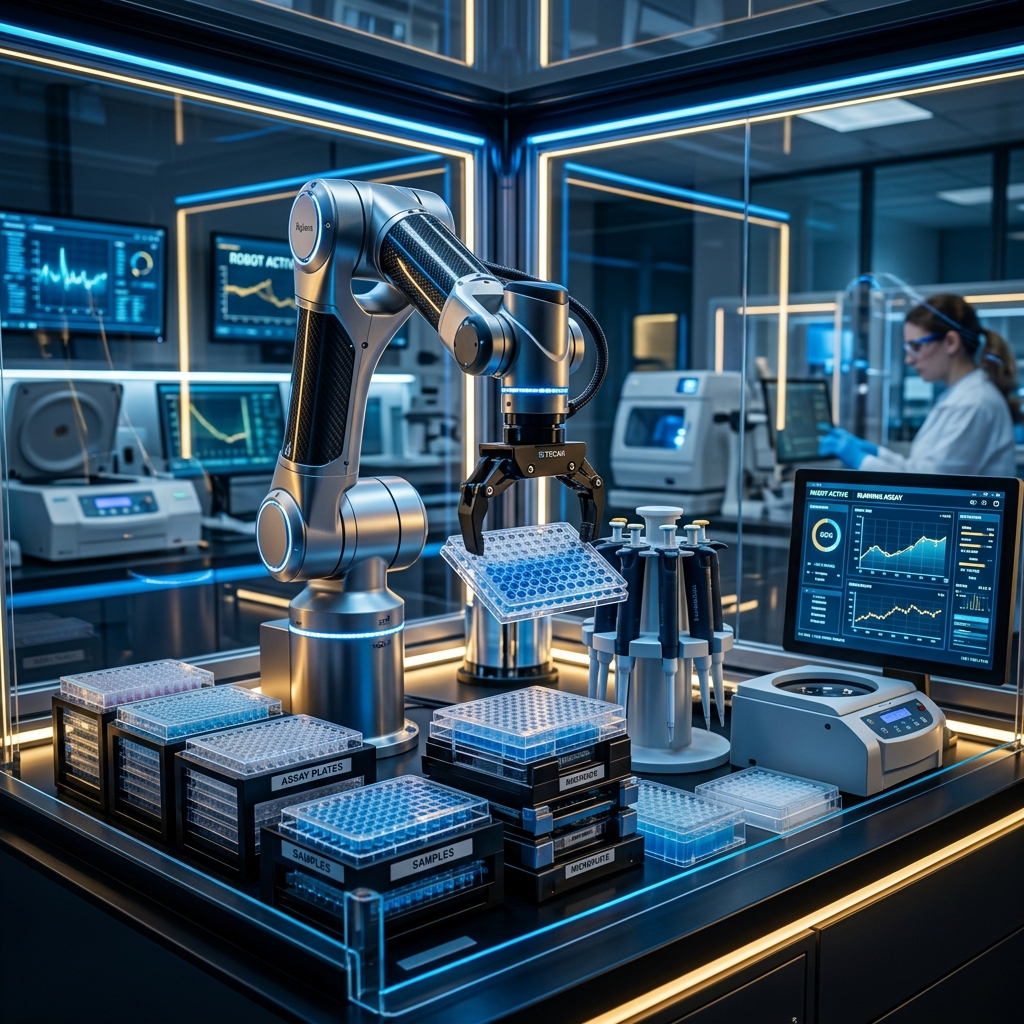
Automated registration, worksheets, and calculations shorten the distance between execution and reportable result, which shows up directly in turnaround time. Complete audit trails and electronic signatures compress audit preparation. Shared dashboards give R&D, QA, QC, and manufacturing one version of trial status, which improves coordination on transfer and regulatory timelines. Proactive calibration and inventory tracking stop stockouts and missed schedules from disrupting active trials.
None of this makes the chemistry faster. It stops everything around the chemistry from slowing it down.