
The Lab Is on the Critical Path
In process manufacturing - agrochemicals, specialty chemicals, intermediates - the quality control laboratory is not a support function that reports at month end. It is a gate. In-process decisions at each plant depend directly on how fast and how accurately QC can test and report, and every hour a result spends in transit is an hour of production capacity held in suspense.
Yet the plant-to-QC pathway is frequently the least instrumented part of an otherwise sophisticated operation. Samples get registered manually at the plant. They travel. They are received, sometimes hours later. Results come back by phone.
Four Failure Modes in the Handoff
The handoff itself is invisible. When registration and dispatch are manual, nobody can say where the delay occurs - at the plant, in transit, or at QC intake. Without that data, process improvement is guesswork.
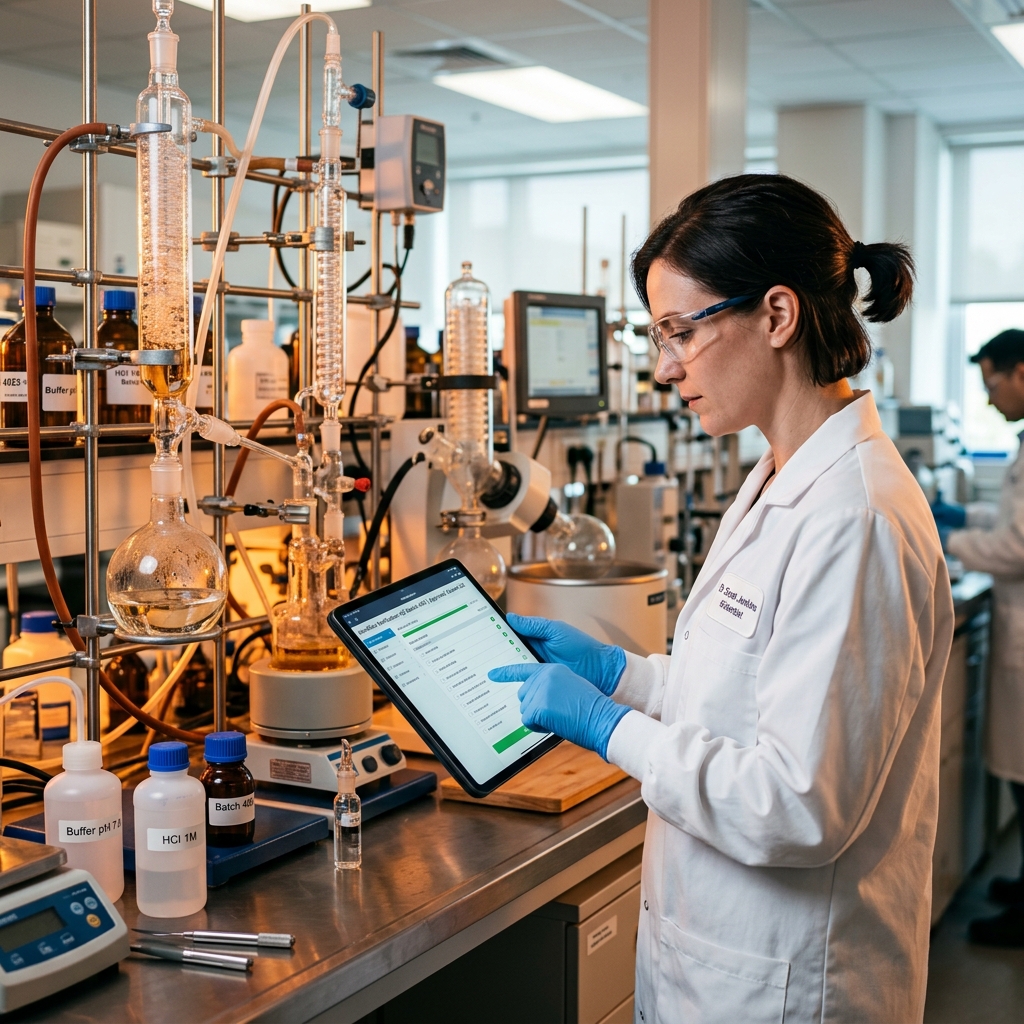
Data capture is manual. Instrument results are keyed in by hand, worksheets are paper, calculations are done manually. At volume this guarantees transcription errors and slows report generation.
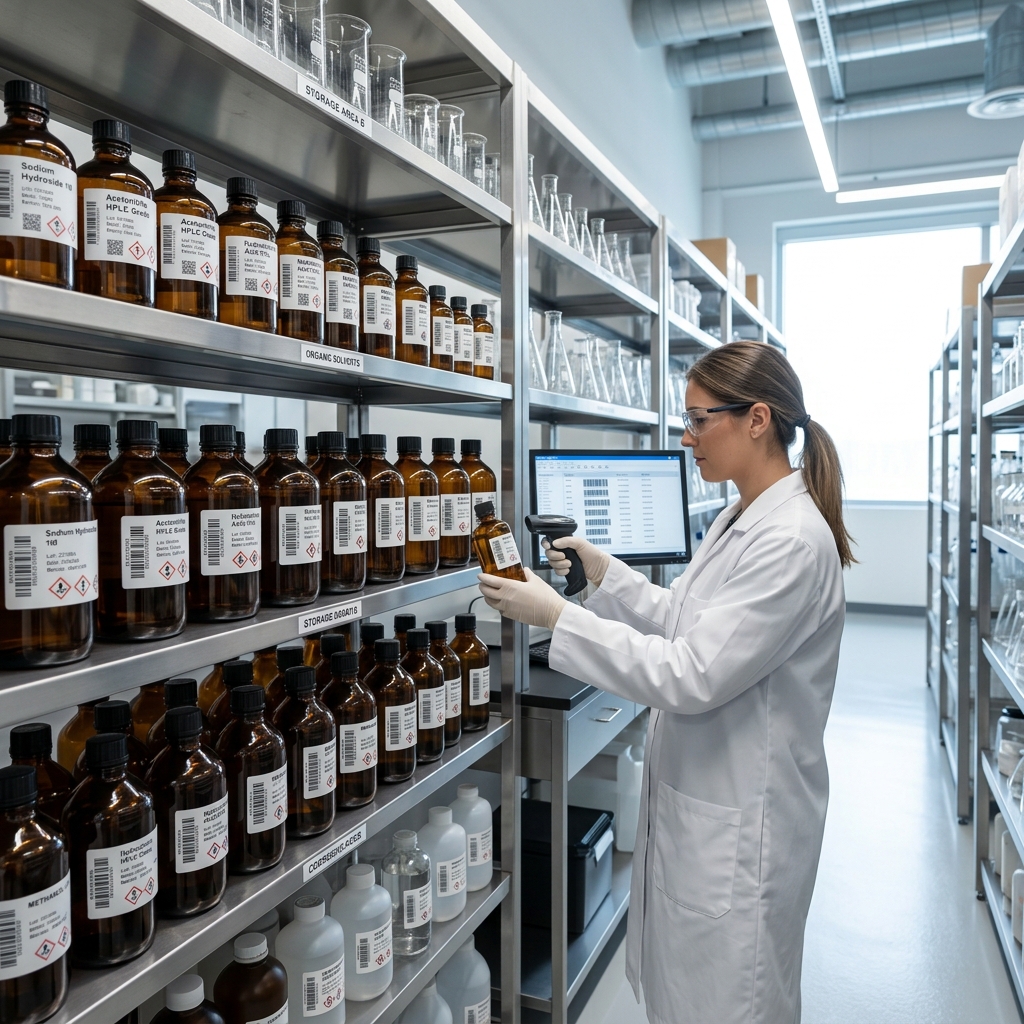
Traceability is partial. Without a unified system there is no complete sample trace or robust audit trail, and consumables such as chemicals and reference standards are tracked with limited visibility into actual stock.
Decisions drag. Delayed reports and certificates of analysis, thin collaboration between QC and manufacturing, and dependence on paper combine into longer turnaround, higher operating cost, and slower production decisions.
Make the Sample Lifecycle Electronic End to End
The correction starts by putting the entire lifecycle in one system: registration at the plant, dispatch, receipt at QC, testing, review, release. Once that path is electronic and auditable, dispatch-to-receipt time becomes a measurable quantity rather than an anecdote, and the question of where samples wait finally has an answer.
Integrating that workflow with SAP keeps sample and batch information aligned with enterprise data, so plant, QC, and business systems work from one record instead of reconciling three.
Instrument Integration at Fleet Scale
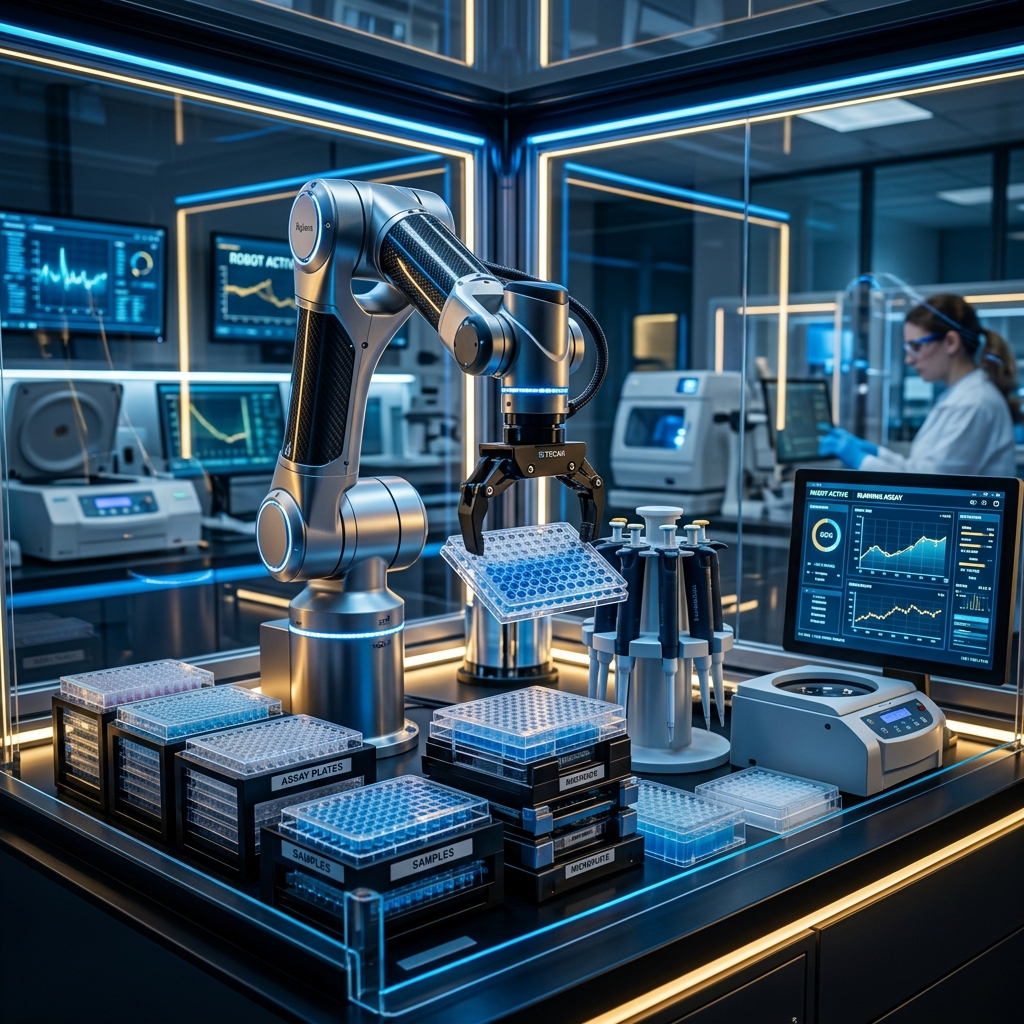
Manual instrument data entry is the single largest source of error in a high-volume QC laboratory, and it scales linearly with workload. Integrating the instrument fleet directly with the LIMS - in large operations this can mean roughly 150 devices across sites - removes that source entirely. Results arrive from the instrument that produced them, time-stamped, without a human retyping a number from a screen.
At small scale, integration is a convenience. At fleet scale it is the difference between a data-integrity posture that holds up and one that depends on everyone being careful every time.
Golden Batch Reporting: Using QC Data to Improve Production
Most QC data is used once, to make a pass/fail decision, and then archived. Integrating the LIMS with the plant process data system unlocks a second use. Golden batch reporting compares production batch data against optimal batch profiles, giving manufacturing teams an evidence base for tuning recipes.
This inverts the usual relationship. Rather than QC telling production what went wrong after the fact, accumulated quality data tells production how to get it right more often.
Put the Results Where the Decision Is Made
The change operators notice most is also the simplest: an online result display terminal at the plant, showing QC results in real time as they are released. No phone call to the lab for intermediate results during a run. No lab analyst interrupted mid-analysis to read a number aloud.
It is a small piece of infrastructure that removes an entire category of interruption from both sides of the fence.
What Improves
Turnaround shortens, because electronic tracking and automated capture remove manual steps between dispatch and reportable result. Production delays fall, because plant teams see results instead of waiting for a call-back. Transcription risk drops sharply, because the highest-volume manual step is gone. Traceability strengthens, because a single electronic record runs from plant dispatch through certificate of analysis. And batch optimization gains a data-driven reference point rather than relying on accumulated experience alone.
The underlying principle is unglamorous: every manual handoff between plant and lab is a place where time and fidelity leak. Remove the handoffs and both improve without anyone working faster.